
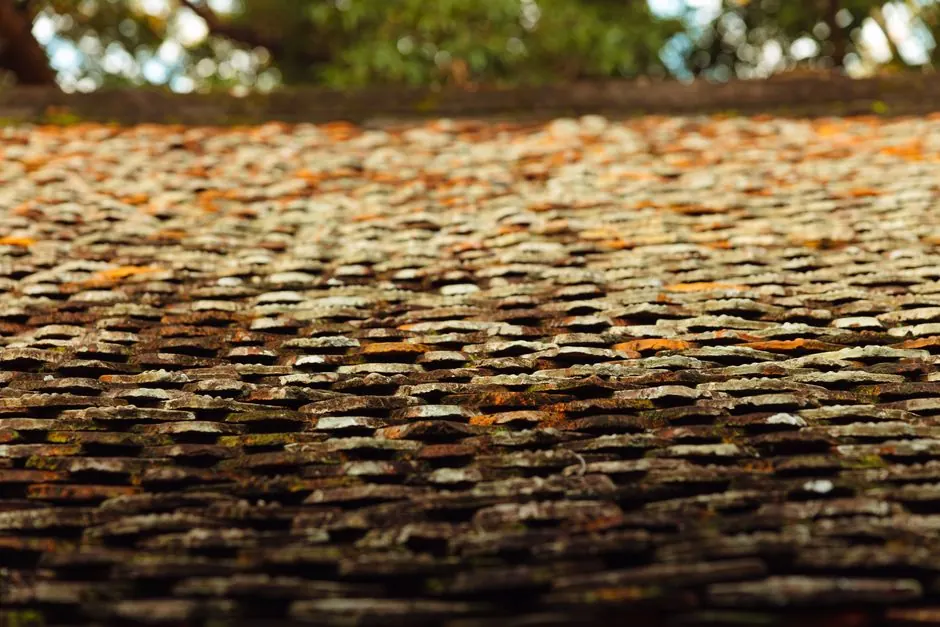
Your roof is leaking after heavy rain because water is getting past a failed layer of protection - most often worn flashing, cracked sealant, lifted shingles, or a clogged drainage path that forces water sideways under the roof covering. In New York, the combination of intense nor'easters, freeze-thaw cycles, and aging housing stock means leaks that stay hidden for months suddenly announce themselves during a single storm. This post walks through the specific causes we see on New York roofs, what you can do right now to limit damage, and when it is time to bring in a professional.
Why does heavy rain cause roof leaks in New York?
Heavy rain causes roof leaks in New York because it overwhelms the roof's drainage capacity and exposes every small breach that lighter rain never reaches. A steady drizzle might never touch a hairline crack in a pipe boot; a two-inch-per-hour downpour drives water against that crack with enough force to push it through.
Wind-driven rain is the bigger issue here. New York storms frequently push rain almost horizontally, which means water enters places it normally would not - under the bottom edge of a shingle course, behind step flashing on a chimney, through a ridge vent that was never designed for sideways water. Once water gets behind the roof covering, it travels along the decking until it finds a seam, a nail hole, or a low spot, and that is where the ceiling stain appears.
Roof leaks after heavy rain in New York also spike because of what the storm leaves behind. Granules wash off asphalt shingles, gutters fill with debris, and standing water sits on flat roofs for days. Each of those conditions makes the next storm more likely to leak.
The most common causes of roof leaks after heavy rain in New York
The most common causes of roof leaks after heavy rain in New York are flashing failures, shingle damage, and drainage problems - and in our experience, about 70 percent of the leaks we inspect trace back to one of those three categories.
1. Failed flashing around chimneys, vents, and walls
Flashing is the metal that seals the joints where your roof meets something vertical. It is also the number one leak source on New York roofs. Step flashing on a chimney can rust through in 12 to 15 years, and the sealant around vent pipes cracks in as little as 5 to 7 years of freeze-thaw cycling. When that happens, water runs straight down the chimney or pipe and into the attic.
2. Worn or lifted asphalt shingles
Asphalt shingles in New York typically last 18 to 22 years on a south-facing slope and closer to 25 on a shaded north slope. Once they reach the end of that range, the granules are gone, the mat is brittle, and wind gets under the edges. A single storm can lift a whole course of shingles and open a path for water.
3. Clogged gutters and downspouts
When gutters back up, water has nowhere to go but sideways - under the shingles, behind the fascia, and into the wall. New York's tree canopy means gutters here fill up fast, especially in the fall. If you have not cleared them since last autumn, that is a likely culprit.
4. Ice dams and freeze-thaw damage
Ice dams form when snow melts on a warm attic roof, runs to the cold eaves, and refreezes. The resulting ice barrier pushes water up under the shingles. Even after the ice melts, the freeze-thaw cycle has already widened nail holes and cracked sealant.
5. Damaged or missing pipe boots and vent seals
The rubber boot around a plumbing vent stack dries out and cracks. It is a $15 part that causes thousands of dollars in ceiling damage if ignored. We replace dozens of these every year across New York.
6. Flat roof membrane seams and ponding water
Flat and low-slope roofs are common on New York rowhouses, additions, and commercial buildings. If the membrane has a seam failure or the roof does not drain properly, ponding water will find it. Standing water weighs about 5 pounds per square foot and puts constant pressure on every seam.
How New York weather and building stock make leaks worse
New York weather and building stock make roof leaks worse because the region combines coastal storms, deep freezes, and a lot of older homes with roofs that were never designed for today's rainfall intensity.
Nor'easters can dump 3 to 5 inches of rain in 24 hours with sustained winds over 40 mph. That is enough to drive water into places a roof has never leaked before. Then January and February bring repeated freeze-thaw cycles - sometimes 30 or more in a single winter - that work sealant loose the way a flexing motion weakens a paper clip.
Housing age matters too. A large share of homes in Westchester, Long Island, and the Hudson Valley were built between 1920 and 1970. Many still have original roof decking, undersized gutters, and chimney flashing that has been patched rather than replaced. We see this constantly in areas like Roofing in Ardsley, where mature trees and older architecture combine to accelerate roof wear.
If you are dealing with a leak right now, our roof leak repair in New York team can trace it to the source and stop it before the next storm.
What to do if your roof leaks after heavy rain in New York
What to do if your roof leaks after heavy rain in New York comes down to three priorities: stop the water from spreading, contain the damage, and get the leak properly diagnosed. Here is the order we recommend.
- Move valuables and electronics away from the leak. Water travels along ceiling joists, so the stain may be several feet from the actual entry point.
- Place a bucket or tarp under the drip and puncture the ceiling if water is pooling. A small hole in a sagging ceiling releases trapped water and prevents a full collapse. Put a bucket underneath first.
- Do not go on the roof during or immediately after a storm. Wet shingles and metal flashing are extremely slippery, and wind gusts are unpredictable.
- Document everything. Photograph the ceiling stain, the attic framing if accessible, and any damaged belongings. This matters for insurance claims.
- Call a roofer for a proper inspection. A trained eye can find the entry point in minutes where a homeowner might spend hours guessing.
If the leak is active and you cannot wait, our emergency roofing services in New York are available around the clock to tarp, stabilize, and stop further damage.
What to watch out for
What to watch out for after a heavy rain leak is not just the water you can see - it is the damage you cannot. Here are the traps we see homeowners fall into.
- Assuming the leak is directly above the stain. Water follows the path of least resistance. The entry point is often 5 to 10 feet uphill or sideways from where it drips.
- Patching with caulk or tar without finding the source. A tube of roof cement costs $10 and buys you a few weeks at best. It does not fix the underlying flashing or shingle failure.
- Ignoring small leaks because they only appear in heavy rain. A leak that shows up once a year is still a leak. It is actively rotting decking and insulation every time it rains.
- Waiting until spring to deal with a winter leak. By then, mold can be growing in the attic and the decking may need replacement, not just repair.
- Skipping the attic inspection. The attic tells the real story. Dark staining on rafters, damp insulation, and rusted nail tips all point to where water is entering.
We also see homeowners assume a leak means a full roof replacement. Often it does not. A targeted repair - new flashing, a few shingle courses, a new pipe boot - solves the problem for a fraction of the cost. That is why we start every job with a professional roof inspection in New York before recommending anything.
When to call a professional
Call a professional when the leak is active during a storm, when you cannot find the entry point from inside the attic, or when the same spot has leaked more than once. Those three situations almost always mean the problem is bigger than a surface patch.
You should also call us if you see any of the following:
- Sagging or soft spots in the ceiling or roof deck
- Mold or a musty smell in the attic
- Granules collecting in gutters or at downspout outlets
- Daylight visible through the roof boards
- Multiple leaks after the same storm
At RoofPros New York, we handle everything from a single flashing repair to full storm damage restoration. We find the leak, fix it, and verify the repair holds before we leave. If your roof has been leaking after heavy rain, we can usually get eyes on it within 24 to 48 hours.
Frequently Asked Questions
Why does my roof leak after heavy rain in New York?
Your roof leaks after heavy rain because storm intensity exposes small breaches that light rain never reaches. Wind-driven rain forces water under shingles and behind flashing. In New York, freeze-thaw cycles widen those gaps over time, so a leak that starts in February may not show up until a heavy April storm.
How do I fix a roof leak after heavy rain in New York?
You fix a roof leak after heavy rain by first containing interior water, then having the entry point properly identified and repaired. Temporary fixes like roof cement or tarps last weeks, not seasons. A permanent repair - new flashing, shingle replacement, or pipe boot - typically costs $350 to $1,500 depending on access and damage.
Can heavy rain damage a roof in New York?
Yes. Heavy rain can strip granules from asphalt shingles, erode sealant, clog gutters, and cause ponding on flat roofs. Sustained wind over 40 mph can lift shingle courses entirely. Over time, repeated heavy rain events shorten a roof's lifespan by 3 to 5 years compared to a roof in a drier climate.
Who repairs roof leaks after heavy rain in New York?
Licensed roofing contractors repair roof leaks after heavy rain in New York. Look for a company that offers emergency service, provides a written inspection report, and warranties the repair. RoofPros New York handles leak diagnosis, emergency tarping, and permanent repairs across the region.
How much does roof leak repair cost in New York in 2026?
Typical 2026 pricing for roof leak repair in New York ranges from $350 for a simple pipe boot replacement to $1,500 or more for chimney flashing rebuilds or multiple shingle repairs. Emergency after-hours service and difficult access add to the cost. Most repairs are completed in a single visit.
Get help with Roofing in New York
If your roof is leaking after heavy rain, the damage gets worse every time it storms. We can trace the leak, fix it properly, and make sure it holds.
Call RoofPros New York at (833) 829-2623 to schedule your inspection and repair.