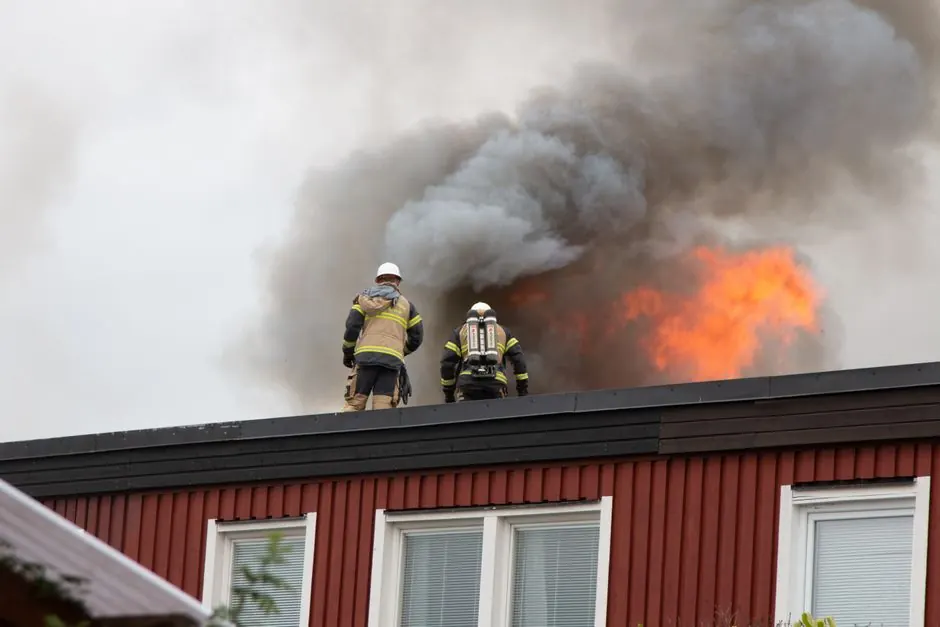
24/7 Call Answering
A live person answers your call, day or night, and triages the situation. We ask about active leaks, ceiling bulges and roof safety, then dispatch the nearest crew with the right materials for your roof type.
Every emergency call starts with containment and ends with a plan. Here is what is included in a standard emergency response, and what gets scoped separately once we see the roof. You get upfront pricing before any permanent work begins.
A live person answers your call, day or night, and triages the situation. We ask about active leaks, ceiling bulges and roof safety, then dispatch the nearest crew with the right materials for your roof type.
We secure the damaged area with tarps and temporary sealing to stop water intrusion. This covers missing shingles, open penetrations and storm-torn sections, and it protects your interior until the permanent repair is scheduled.
Dated photos, measurements and material notes go into a package you can hand to your insurance adjuster. We document hail damage, wind uplift, flashing failure and interior water staining so the claim is not delayed by missing evidence.
We check the attic and ceilings for moisture, pull wet insulation where needed and flag areas at risk of mold. Catching wet decking early prevents rot that turns a $600 repair into a $6,000 tear-off.
Once the roof is dry, we scope the lasting fix: shingle replacement, underlayment, ice and water shield, flashing rebuild or section re-roof. You get upfront pricing and a schedule that works around the weather.
Finished repairs carry manufacturer warranties on materials and our workmanship coverage. We magnet-sweep the yard and driveway for nails and haul away debris, so your property is safe for kids and pets the same day.
Emergency Roofing Services in New York is the rapid-response side of roofing: stopping active water intrusion, securing a damaged roof deck and preventing further loss before a permanent repair is scheduled. A call typically starts with a leak or missing shingles, and our first job is containment. We tarp the affected slope, pull wet insulation, check the flashing and drip edge, and photograph everything for your insurance claim. Then we schedule the permanent fix.
New York roofs take a beating from nor'easters, lake-effect snow, hail and summer wind uplift. In older Hudson Valley and Long Island housing stock, a single ice dam can push water through 40-year-old underlayment in one freeze-thaw cycle. If you are searching for emergency roofing services in New York near me at 2 a.m., that usually means water is already staining a ceiling. We answer, we dispatch, and we stop the leak.
You call, we move. Here is exactly what happens from the first ring to the final walkthrough, so you know who is coming, what they will do and how long it takes.
Schedule
Call or book online — a real human picks up and confirms a 2-hour arrival window.
Diagnose
Licensed tech inspects on-site, then walks you through the cause and your options.
Fix
The job is completed to code and done right the first time — no shortcuts, no surprises.
Guarantee
Every job backed by a written workmanship warranty — and we stand behind it.
 Tools & Equipment
Roofing hammer and pry bar
Used to lift and replace shingles and to pull damaged flashing without tearing good material. On emergency calls, the pry bar also opens vent boots and step flashing so we can reseal them properly.
Nail gun and roofing nailer
Fastens replacement shingles and underlayment at the correct depth and spacing. Proper nailing matters on New York roofs, where wind uplift can pull hand-nailed shingles loose in a single storm.
Roofing ladder and safety harness
Gets crews onto steep and wet roofs safely. Every technician ties off with a harness and fall protection, which is why we can work storm-damaged roofs that other companies will not touch.
Chalk line and utility knife
Marks straight courses for shingle replacement and cuts underlayment, ice and water shield and TPO membrane cleanly. Clean cuts mean better seals and fewer future leak points.
Roofing torch
Used to heat and seal modified bitumen and membrane seams on flat and low-slope roofs. It lets us close a seam in wet conditions when adhesive alone will not hold.
Shingle cutter
Trims architectural shingles to fit valleys, hips and ridge caps without crushing the mat. Clean edges sit flatter and seal better against wind-driven rain.
GAF and Owens Corning system installation
We install complete roof systems, not mismatched parts. That means manufacturer-approved underlayment, ice and water shield, flashing and shingles working together. System installation is what keeps the warranty valid and the roof performing in New York freeze-thaw conditions.
Ice and water shield at eaves and valleys
New York code and manufacturer specs call for ice and water shield along eaves, valleys and penetrations. We install it before shingles go down, so meltwater from ice dams cannot reach the deck and rot it from underneath.
Flashing rebuild and reseal
Most leaks we find trace back to flashing, not shingles. We rebuild chimney, step and vent flashing with new material and seal it with roofing cement, then test with water where possible before closing up the repair.
Insurance documentation protocol
Every emergency call gets dated photos, measurements and material notes. We document hail damage, wind uplift and interior staining in a format adjusters accept, which shortens the gap between the emergency visit and the claim payout.
01
What we do: We dispatch an overnight crew with tarps and sealing materials. They secure the exposed slope, stop the leak and document the damage for your claim before the storm fully passes.
→ Your interior stops taking on water that night, and you have claim-ready photos by morning.
02
What we do: We clear the ice dam, seal the eave area and check the attic for wet insulation. If the underlayment is damaged, we replace that section and improve ventilation to reduce future dams.
→ The stain stops spreading, wet insulation is removed, and the eave is rebuilt to handle the next freeze.
03
What we do: We inspect the full roof, photograph hail damage and wind uplift, and give you a documented scope for the insurance claim. Emergency tarping goes up if any area is open to rain.
→ Your adjuster gets a clean package, and the repair is scheduled before the next storm front.
04
What we do: We clear the drains, check the TPO membrane for splits and reseal seams. If the deck has settled, we recommend a tapered repair to restore drainage.
→ Water drains instead of sitting, and the membrane stops taking on load it was not built for.
New York roofs face two very different enemies. Along the coast and on Long Island, salt air and wind uplift work on flashing and fasteners year-round. Inland and up the Hudson Valley, snow load and ice dams are the bigger threat, especially on older homes with 40-year-old underlayment and undersized attic ventilation. We plan emergency calls around that reality. A coastal storm call usually means securing lifted shingles and resealing flashing before the next high wind. A winter call in Kingston or Monroe usually means clearing an ice dam and checking for wet decking. If you need 24/7 roof repair in New York during a February thaw, we bring the torch and membrane material for flat roofs and the ice and water shield for pitched ones. Building departments across the state inspect eave protection and flashing details closely, so our repairs are built to pass inspection the first time, not patched to get through the season.
Hudson Valley
Older housing stock with original roof decking and limited attic ventilation. Ice dams are common, and we often find wet insulation that has gone unnoticed for seasons.
Long Island South Shore
Salt air corrodes flashing and fasteners faster than inland. Wind uplift from coastal storms is the leading cause of missing shingles and emergency calls here.
Westchester County
A mix of slate, asphalt and flat roofs on older homes. Flashing failures at chimneys and dormers are the most frequent source of active leaks we repair.
New York City and Bronx
Flat and low-slope roofs dominate. Ponding water, clogged drains and split TPO membrane seams drive most emergency calls, especially after heavy rain.
Nor'easters and coastal wind uplift
These storms strip shingles and lift flashing in hours. We stage crews near the coast before major storm systems so tarps go up the same night, not the next afternoon.
Winter ice dams and freeze-thaw cycles
Meltwater backs under shingles and behind eave protection, causing interior stains and deck rot. We clear dams and rebuild eave sections to handle repeated freeze-thaw without failing.
Summer hail and thunderstorm damage
Hail cracks shingle mats and dents flashing, which shows up as leaks weeks later. We document hail damage thoroughly so insurance claims are not denied for lack of evidence.
Aging roof decking in older homes
Old decking and underlayment fail faster under water. When we open a repair, we check the deck and replace rotted sheathing rather than nailing new shingles over soft wood.
Most roof emergencies start small. A lifted shingle, a cracked flashing seal, a clogged gutter that backs water under the drip edge. Here are the problems we see most across New York and what happens when they are ignored.
Problem
Water soaks insulation and drywall within hours, and mold can start in 24 to 48 hours. Ceiling bulges can collapse under the weight of trapped water.
Our Fix
We tarp the roof, stop the entry point and pull wet insulation the same visit. Then we trace the leak to its source, whether that is flashing failure, a vent boot or a nail pop, and repair it permanently.
Problem
Freeze-thaw cycles push meltwater under shingles and behind the ice and water shield, staining ceilings and rotting roof decking from the inside out.
Our Fix
We clear the dam safely, seal the vulnerable eave area and check attic ventilation. If the underlayment is compromised, we replace that section so the next thaw does not repeat the problem.
Problem
Exposed underlayment degrades fast in sun and rain. One missing shingle often means the next row is loose too, and the leak shows up feet away from the gap.
Our Fix
We replace missing shingles with matching profiles, reseal the surrounding field and check the ridge vent and drip edge. If wind uplift has compromised a whole slope, we scope a section re-roof.
Problem
Standing water finds every seam and split in the membrane. Left alone, it adds structural load and turns a patch job into a full membrane replacement.
Our Fix
We clear drains and scuppers, check the TPO membrane for splits and reseal seams. If the deck has settled and created a low spot, we recommend a tapered repair so water actually drains.
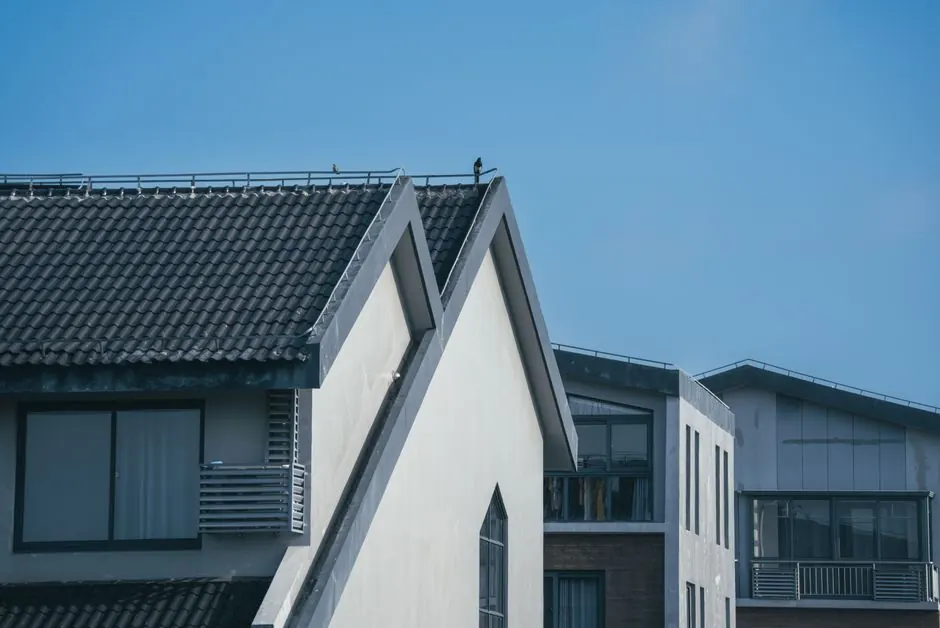
A roof emergency gets worse by the hour. Water finds the path of least resistance, and every hour you wait adds rot, mold and drywall to the bill. Here is what you get when you call us instead of waiting for a callback.
Same-Day Tarp and Dry-In
We tarp exposed roof sections the same day in most New York service areas, usually within 2 to 4 hours of your call. That stops water at the deck before it reaches insulation and ceilings. You get photos of the damage for your claim and a written scope for the permanent repair.
Licensed and Insured Crews
Every crew carries a New York State Home Improvement Contractor License, full liability coverage and OSHA safety certification. Roof work at height is not a side-job. Our technicians run roofing ladders, safety harnesses and fall protection on every pitch, so your property and our people stay protected.
Insurance-Ready Documentation
Storm damage claims move faster with good evidence. We document hail damage, wind uplift and flashing failure with dated photos, measurements and material notes, then hand you a package your adjuster can use. Many Long Island and Westchester claims close in 2 to 3 weeks with clean documentation.
Permanent Repair, Not Just a Patch
A tarp buys time, not a fix. Once the roof is dry, we replace damaged shingles, underlayment and flashing to code. We install GAF and Owens Corning systems with manufacturer warranties, so the repair holds through the next storm season instead of failing in the spring thaw.
Emergency pricing is not the same as a scheduled repair, and anyone who quotes a flat number over the phone is guessing. Typical 2026 emergency calls in New York run $350 to $1,500, with tarp and seal jobs near the low end and storm damage involving decking or flashing at the high end. We give you the number before work starts, and we tell you what can wait until morning if it is safe to do so.
Typical Investment Range
$350 - $1,500 for most emergency calls, with permanent repairs scoped separately
You are paying to stop water damage, not just to patch a roof. A $600 tarp and seal tonight often prevents a $6,000 tear-off and interior repair later. We price the emergency work honestly and scope the permanent fix upfront.
What changes the price
Time of day
Overnight and holiday calls carry a higher rate than daytime visits. If the leak is contained and the roof is safe, we will tell you honestly whether it can wait until morning to save you the after-hours premium.
Roof pitch and access
Steep pitches, multiple stories and tight lots take longer to tarp and repair safely. A simple ranch roof might take an hour; a steep Victorian with dormers can take three or four.
Extent of damage
A few missing shingles is a small repair. Torn-off sections, rotted decking or damaged flashing add material and labor. We scope the permanent repair after the roof is stabilized so the number reflects the real work.
Material type
Asphalt shingles are the most economical to repair. Slate, tile and TPO membrane take specialized tools and materials, which raises the cost. We stock common profiles but order specialty materials as needed.
Interior water damage
If water reached insulation or drywall, we may need to pull wet material to prevent mold. That adds labor but saves far more than a mold remediation later. We flag it during the assessment.
Google ★★★★★4.9
Called at 11 p.m. with water coming through a bedroom ceiling. They answered, gave me a two-hour window and showed up in 90 minutes. Tarped the roof, pulled wet insulation and had photos to my insurance by morning. No upsell, no runaround.
Yelp ★★★★★4.8
We had an ice dam in February and three companies told us to wait. RoofPros came out, cleared it and found the underlayment was shot. They replaced that section and improved the attic vent. No leaks since, through two winters.
BBB ★★★★★4.9
Hail damage on a steep roof that two other contractors would not climb. Their crew harnessed up, documented everything and worked with our adjuster. Repair was done in a day and they magnet-swept the yard twice. Straightforward pricing.
Google ★★★★★5.0
Flat roof over our garage was ponding and dripping onto equipment. They cleared the drains, resealed the membrane and tapered a low spot so water actually moves. Explained what to watch for and did not try to sell a full replacement.
Our technicians have worked New York roofs from Buffalo snow loads to Long Island salt air. We hold GAF Master Elite and Owens Corning Preferred Contractor credentials, and our crews carry OSHA safety certification for steep-slope and high-wind work. We know how New York building departments inspect ice and water shield at eaves, how coastal wind uplift rules differ from inland snow-load requirements, and how to document a claim so your adjuster does not send it back. That local experience is why property managers in Kingston, Smithtown and Yonkers keep our number on file.
We run emergency crews across New York, from the Hudson Valley down through Westchester and Long Island. If you need an emergency roofer New York homeowners trust after a storm, we route the nearest truck to your address. Here are some of the communities we cover, each with the same 24/7 response and insurance documentation.
Armonk's larger lots and mature trees mean storm debris and branch damage are common. We tarp and repair roofs here with the same 2 to 4 hour response window as our core service area.
Blauvelt homes sit in a wooded, hilly pocket of Rockland where wind funnels between ridges. We handle lifted shingles, flashing failure and gutter overflow calls here year-round.
Carle Place has a mix of older capes and newer colonials, many with original roof decking. We check decking condition on every emergency call so repairs are not nailed over soft wood.
Commack takes direct hits from nor'easters rolling off the Sound. We stage crews nearby before major storms so tarps go up the same night shingles come off.
East Islip's proximity to the Great South Bay means salt air and wind-driven rain. We reseal flashing and fasteners here with coastal-grade materials that resist corrosion.
Farmingville's suburban roofs are mostly architectural asphalt, and hail is the leading cause of emergency calls. We document hail damage thoroughly for insurance claims.
Glenwood Landing's older homes often have steep pitches and dormers that complicate emergency access. Our harnessed crews work these roofs safely when others will not.
Hewlett's tree canopy drops limbs on roofs during summer storms. We clear debris, tarp open sections and repair punctured shingles and decking the same visit.
Inwood's dense housing stock includes many flat and low-slope roofs. Ponding water and clogged drains drive most emergency calls here, and we clear and reseal on site.
Kingston's older housing stock and cold winters make ice dams a recurring problem. We clear dams, replace compromised ice and water shield and check attic ventilation.
Mahopac Falls sits in a lake-heavy area where wind and moisture work on roofs together. We handle storm damage, flashing failure and leak tracing for homes around the lakes.
Medford's mix of ranches and colonials sees hail and wind uplift each summer. We replace missing shingles with matching profiles and document damage for claims.
Monroe's inland location means snow load and freeze-thaw cycles, not salt air. We build eave protection and flashing here to handle repeated winter stress.
New City's hilly terrain and wooded lots bring branch damage and wind-driven rain. We tarp, repair and check the deck for rot on every emergency call.
Oakdale's South Shore location exposes roofs to coastal wind and salt. We reseal flashing with corrosion-resistant materials and secure lifted shingles before the next storm.
Real answers to the questions we hear most often from local homeowners and property managers.
When storm damage is beyond repair, we install new GAF and Owens Corning roof systems built for New York snow loads and coastal wind. Installation includes ice and water shield at eaves, correct flashing and a manufacturer warranty.
View Roof InstallationA roof that has leaked repeatedly often costs more to patch than to replace. We tear off to the deck, replace rotted sheathing and install new underlayment and shingles. Most full replacements finish in 1 to 2 days on standard New York homes.
View Roof ReplacementTargeted repairs fix missing shingles, failed flashing, damaged ridge vents and small leaks without a full tear-off. We match existing shingle profiles where possible and seal penetrations with roofing cement and new flashing to stop water at the source.
View Roof RepairLeaks rarely start where the stain appears. We trace water back to its entry point, whether that is a chimney flashing, a vent boot or a nail pop, then repair the source. Interior staining usually clears once the roof is sealed and dried.
View Roof Leak RepairA full inspection checks shingles, underlayment, flashing, drip edge, ridge vent and gutters. We photograph problem areas and give you a prioritized list, so you know what needs attention now and what can wait until spring.
View Roof InspectionTwice-a-year maintenance clears clogged gutters, reseals flashing and catches small issues before they become leaks. It is the cheapest way to avoid an emergency call, especially on older roofs in the Hudson Valley and on Long Island.
View Roof MaintenanceCall (833) 829-2623 any time, day or night. Our phone is answered around the clock for emergency leaks and storm damage, and standard estimates are booked within 24 to 48 hours. You can also email info@roofprosnewyork.com with photos of the problem and we will get back to you the same business day.
Phone
(833) 829-2623Address
New York
Hours
Mon–Fri: 7AM – 7PM
Sat: 8AM – 4PM
Sun: Emergency Only
24/7 Emergency Available